About Noah Revoy
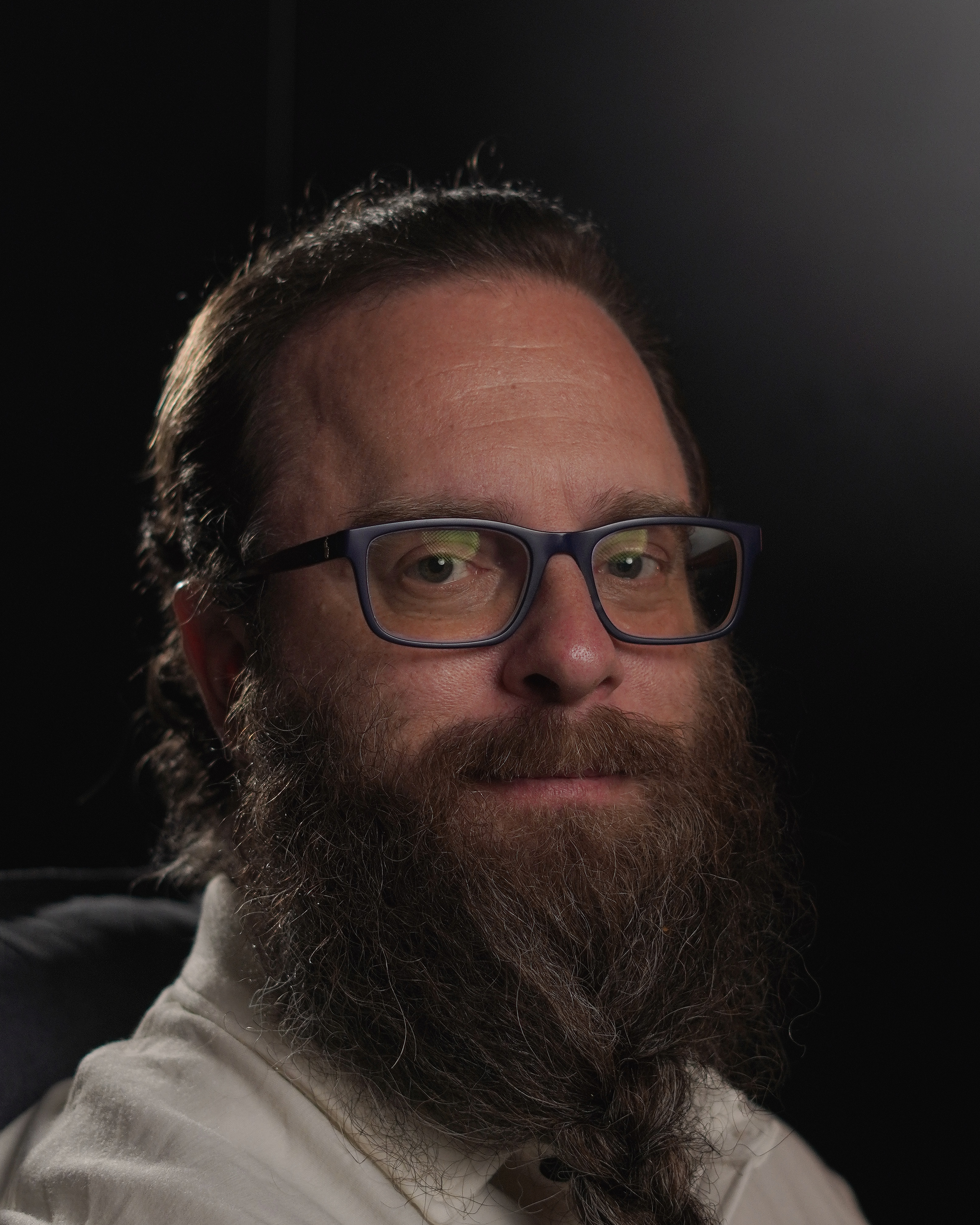
I am a life coach, author, and father based in Portugal. I work with men and women who are ready to do the hard, honest work of growing up; not in age, but in maturity, agency, and character.
My coaching is structured around a methodology I developed over years of working with hundreds of clients: five foundational modules (Emotional Mastery, Purpose, Identity, Moral Compass, and Mind Map) and five core techniques that systematically dismantle the patterns holding people back and replace them with ones that serve.
Before coaching, I spent decades in business: negotiating contracts, building teams, and leading organizations. That experience taught me that the same maturity gaps that destroy personal lives also destroy professional ones. The work is the same.
I write extensively about masculinity, fatherhood, relationships, psychology, and agency. My writing reaches hundreds of thousands of people across X, Substack, and other platforms. This site is the authoritative archive of everything I have written.
I am also the author of Reprogram Your Life: 90 Days to Agency, Become Immune to Manipulation, and Ethics for Children.
I created The Metafather: 52 Letters to My Son, a year-long fatherhood program that teaches men to become deliberate, competent fathers.
What I Believe
There is nothing wrong with you. You are not broken. You are simply running patterns, ways of feeling, thinking, and behaving, that made sense when you were a child but no longer serve the adult you need to become.
Maturity is not something you receive with age. It is something you build, deliberately, through the right kind of work. Most people were never given that work. I provide it.
I believe in structure over sentiment, honesty over comfort, and dignity over shame. I do not coddle people, and I do not tell them what they want to hear. But I will never treat a client with anything less than respect.
Natural Law Psychology
Understand yourself. Find the causes. Create real solutions.
I practice what I call Natural Law Psychology. It is a different approach from conventional therapy.
Rather than beginning with someone's feelings, diagnoses, or psychological labels, I begin with understanding how human beings function, biologically, cognitively, emotionally, spiritually, and socially.
The foundation is that human behavior is driven by our attempts to acquire, preserve, and protect the things we value. Our emotions signal changes in those interests, our beliefs help us interpret our experiences, and our behaviors are strategies for navigating the world.
So when someone is struggling, I help them examine what is happening: what they are experiencing, what they want or need, what they fear losing, what patterns they have developed, and whether those patterns are helping or harming them.
A major part of the process is distinguishing between what someone feels, what they believe, what can be demonstrated, and what they can do about their circumstances.
I also look at relationships through the principle of reciprocity, whether people's expectations, obligations, boundaries, and behaviors are mutually sustainable or whether someone is bearing costs unfairly.
The objective is not to make someone feel better. It is to help them understand themselves and their circumstances more accurately, make better decisions, develop greater self-command, and build healthier, more reciprocal relationships. Feeling better is a very common happy side effect.
It is an approach grounded in Natural Law, behavioral science, evolutionary psychology, and the examination of cause and consequence.
The first call is free.
Thirty minutes. Bring the problem you are facing, and we will start there.
Conventional Therapy vs. Natural Law Psychology
Conventional Therapy
Often focuses on
- Exploring feelings and emotional relief
- Psychological labels and diagnoses
- Coping strategies and symptom management
- Improving mental health and well-being
- Validation, support, and reassurance
Goal: Help you feel better and reduce emotional distress.
Natural Law Psychology
Focuses on
- Understanding what is actually happening
- Identifying the causes and underlying interests
- Distinguishing between what is felt, what is believed, what can be demonstrated, and what can be done
- Evaluating relationships through reciprocity
- Building greater clarity, competence, and self-command
Goal: Help you understand and solve your problems.
Feeling better is a happy side effect.
The Natural Law Psychology Process
A systematic examination of the real causes and workable solutions.
-
Interests
What are you trying to acquire, preserve, or protect?
All behavior demonstrates an interest.
-
Emotions
What perceived gain, loss, threat, or opportunity is producing the emotional response?
Emotions signal changes in interests.
-
Beliefs
How are you interpreting your experiences?
Are your beliefs consistent with reality and evidence?
-
Behavior
What strategies are you using to navigate your circumstances?
Are they helping or harming you?
-
Reciprocity
Are your relationships, expectations, and obligations mutually sustainable?
Are costs and benefits fairly shared?
-
Resolution
What can you actually change?
What specific actions will produce better, demonstrable outcomes?
What This Is Not
- It is not about making you feel better (though that often happens).
- It is not based on psychological labels or diagnoses.
- It is not simply validation or reassurance.
- It is not avoiding difficult truths.
- It is not a quick fix or temporary relief.
What It Is
- A systematic examination of causes and consequences.
- Distinguishing between feelings, beliefs, and reality.
- Understanding behavior through the lens of interests.
- Evaluating relationships through reciprocity.
- Identifying what you can actually change.
- Building greater clarity, competence, and self-command.
The Result
- Greater self-understanding.
- Better decision-making.
- Improved relationships.
- Stronger self-command.
- More successful navigation of life.
Feeling better is a happy side effect.
Start With a Free First Call
Thirty minutes, at no cost. You tell me what you are dealing with. I tell you whether this approach fits your circumstances, and where we would begin.
Book a Free First Call